Material Design “2”: New approach, same foundations

4 years ago, Material Design was conceived to improve consistency for all Google products living across different platforms. But it wasn’t until third-parties put their hands on MD that they encountered a big flaw.
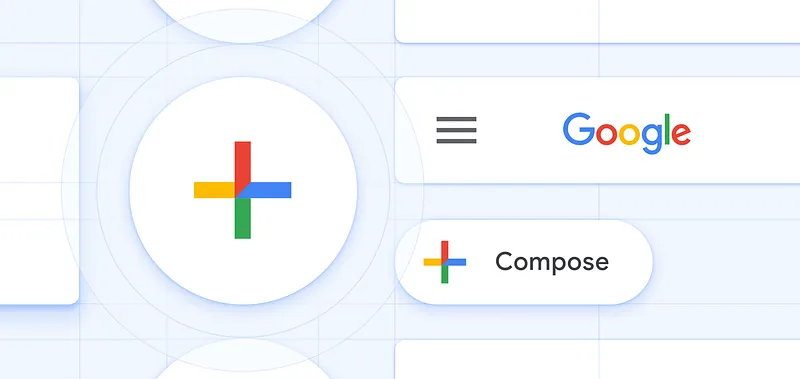
The important thing is that they don’t want us to copy Google’s brand. They want us to understand just how much MD can create amazing interfaces, without making us question if it’s possible or not.
There are no constraints anymore neither for the guidelines, nor for the tools.
There are principles, suggestions, and examples to avoid the trap and open a whole new world of possibilities.
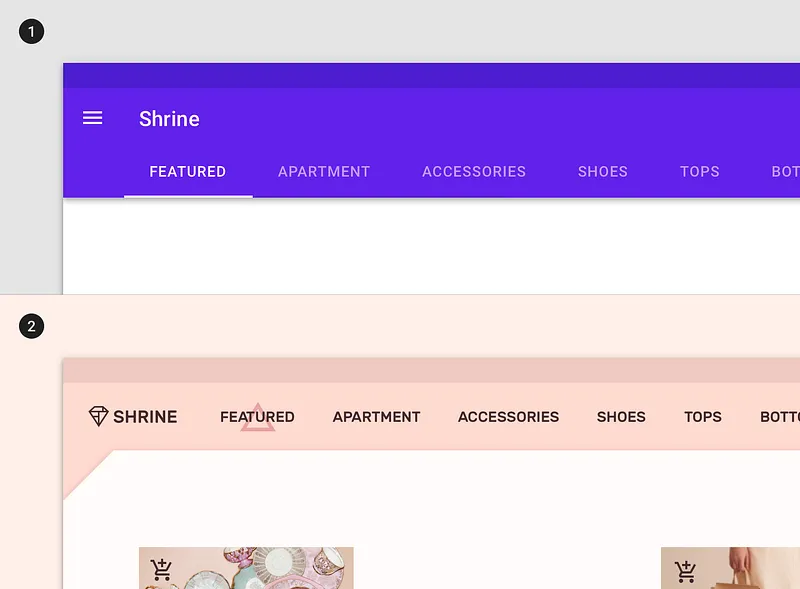
Tl;dr: This isn’t different from what we got 4 years ago
But if you read the new guidelines carefully you will see that the core hasn’t changed at all. The paper abstraction is still there, elevation is still there, tint is still there.
They just reinterpreted of the old guidelines to be better understandable on how war every component could go using the Material Foundation and Material Theming.
Old guidelines focused on achieve consistency and stablished a series of rules to improve upon the Android platform.
New guidelines are here to break those chains in conjunction of several tools for designers and developers.
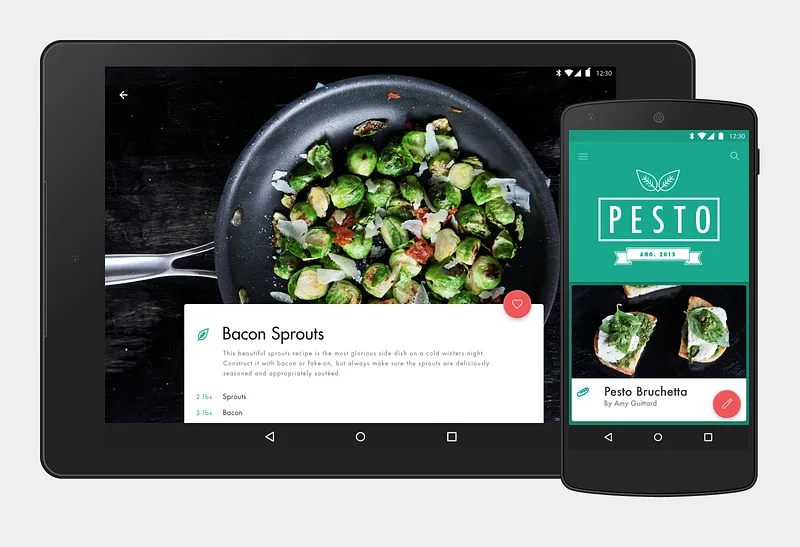
So, don’t ask designers and developers for a redesign of their apps with the “new Material Design”, there is no new MD.
You as a designer or developer can now explore together beyond the limits already stablished. You probably had some ideas on mockups that you trashed because at that time were going too far and there weren’t the appropriate tools to reproduce them.
Now it’s the time to recover those ideas and rethink again on how to express them.
What’s Material Design after all?
I’m completely sure Material Design is not just Roboto, or shadows all over the place, neither cards everywhere.
Material Design is about understanding constraints when building so you can rely more on brand choices to enhance a product made for real people (your users).
For me nothing has changed, we don’t have a Material Design 2.0, the foundations are the same, some components may have been updated but they are relying more on us to get the system beyond just a Google’s theme. They envisioned this since the beginning but failed to deliver because a lack of tools.
At the end, the biggest flaw of MD was it’s own building constraints. Yes, the idea was powerful, Dribbble and Uplabs got full of Material Design explorations, but terribly failed when developers tried to build those explorations.
The good news is to remember that Material Design is a philosophy that applies to everything, even the tools we now use for build.